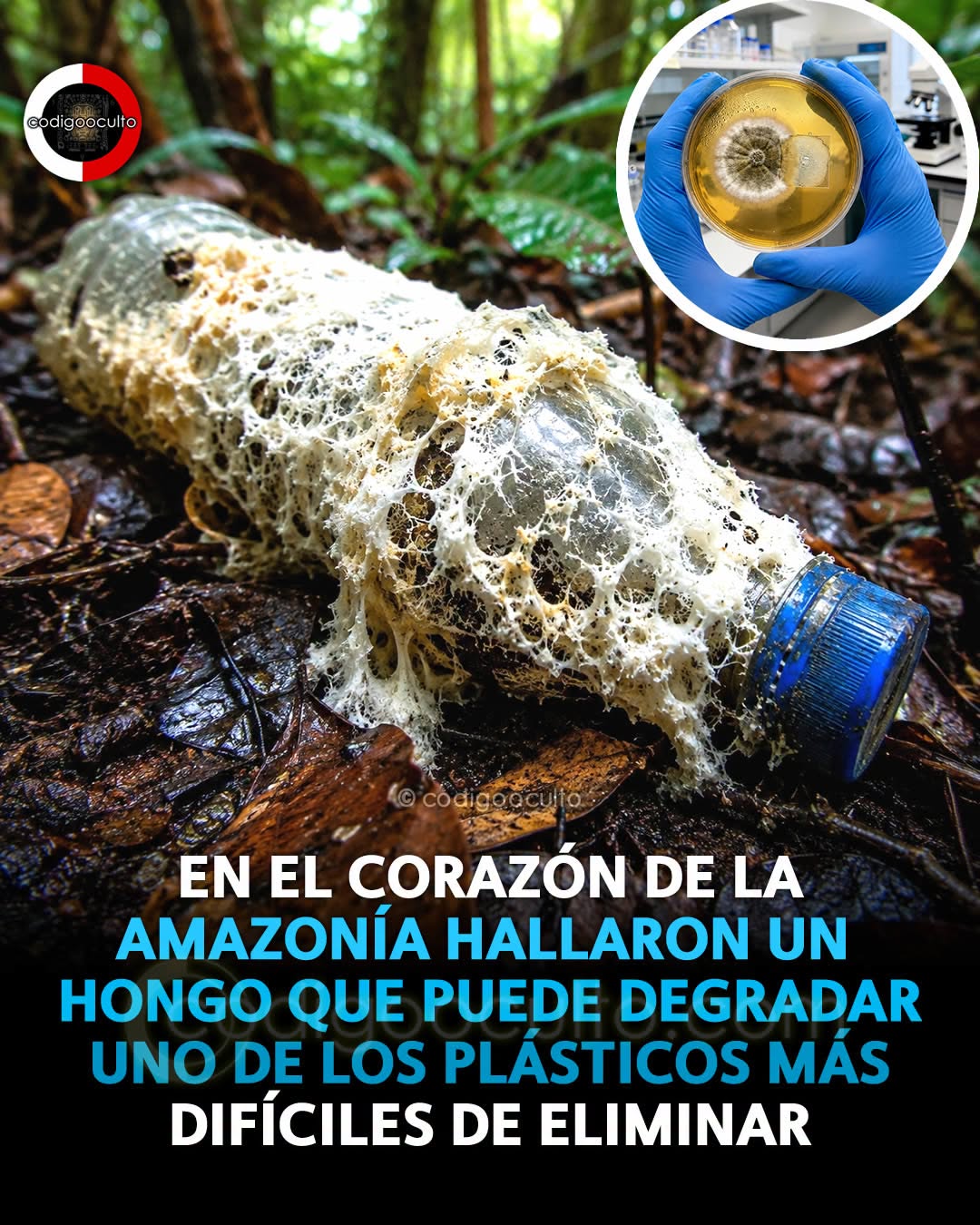
Scientists continue to explore innovative, nature-based solutions to tackle one of the world’s most pressing environmental challenges—plastic pollution. One remarkable example is Pestalotiopsis microspora, a fungus discovered in the Amazon rainforest that has demonstrated the ability to degrade polyurethane, one of the most durable and difficult plastics to recycle.
Unlike many conventional plastics that persist in the environment for decades, polyurethane can be broken down by enzymes produced by this fungus, offering exciting opportunities for future biotechnological applications. While further research is needed before such solutions can be implemented on a large scale, discoveries like this highlight the potential of combining biology and materials science to reduce plastic waste.
At microplastics.today, we believe that addressing plastic pollution requires a combination of innovation, education, and scientific collaboration. Natural biodegradation processes, together with advances in recycling technologies, sustainable materials, and circular economy practices, can help build a cleaner and more sustainable future.
The discovery of plastic-degrading microorganisms reminds us that nature can inspire solutions—but preventing plastic pollution through responsible production, consumption, and education remains our most effective strategy.