Addressing environmental challenges such as plastic pollution requires long-term commitment and engagement across all age groups. Education plays a key role in ensuring that both current and future generations are equipped with the knowledge and skills needed to act.
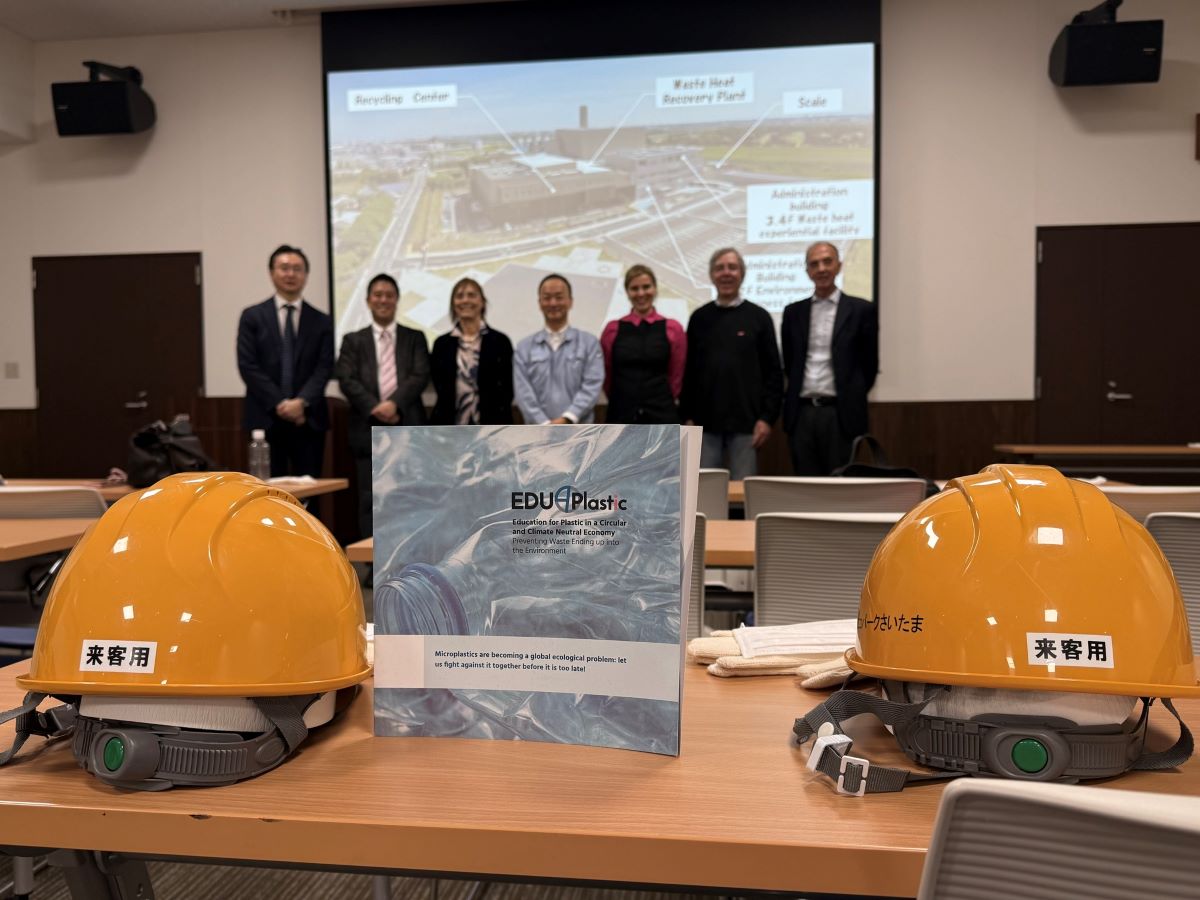
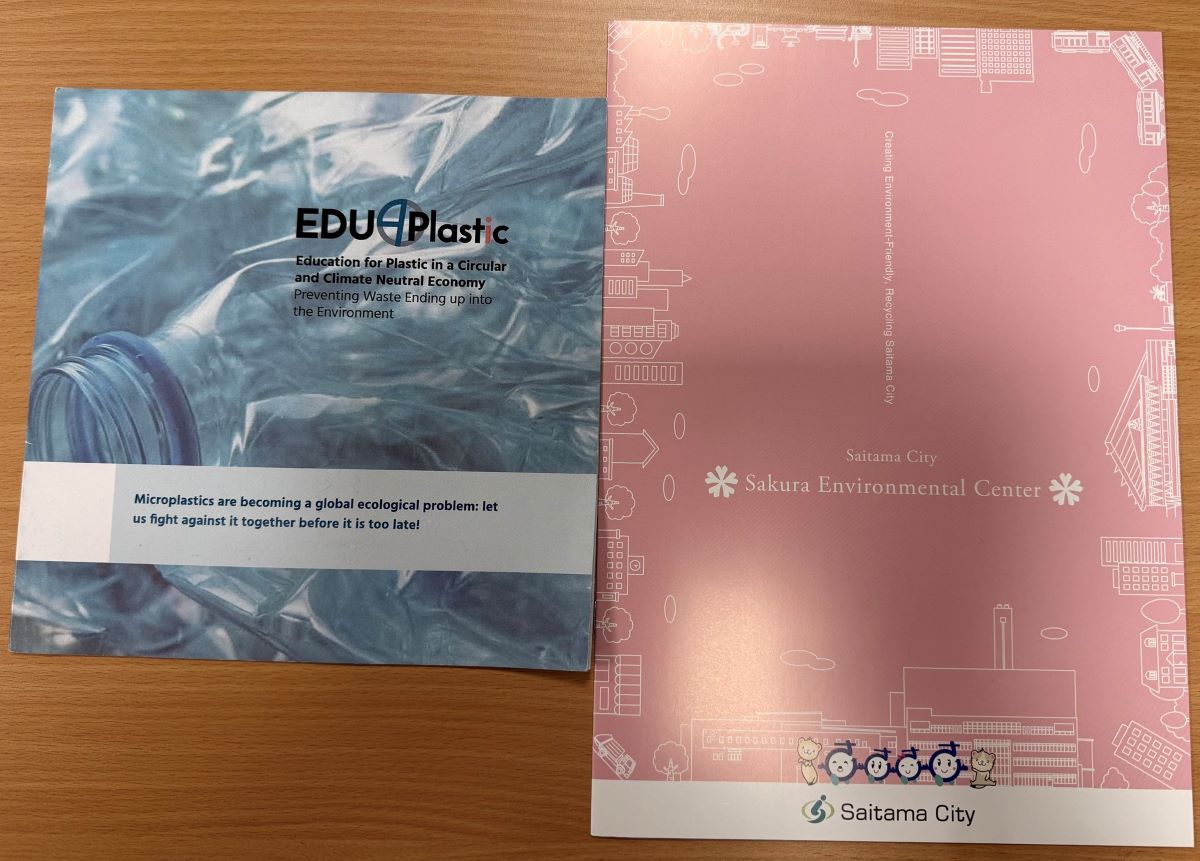
As part of this effort, the EDU4PlastiCircular (Edu4Plastic) project was presented in Japan by the University of Insubria. The initiative focused on promoting environmental awareness through a multigenerational approach, highlighting the importance of involving people of all ages in tackling plastic pollution.
The project presentation emphasised the need to provide individuals with practical tools, knowledge, and values that support sustainable behaviour. By combining education with real-world applications, the project aims to create lasting impact in both communities and institutions.
The activities also involved academic collaboration with experts from the University of Turin and the University of Trento, further strengthening the exchange of knowledge and interdisciplinary cooperation.
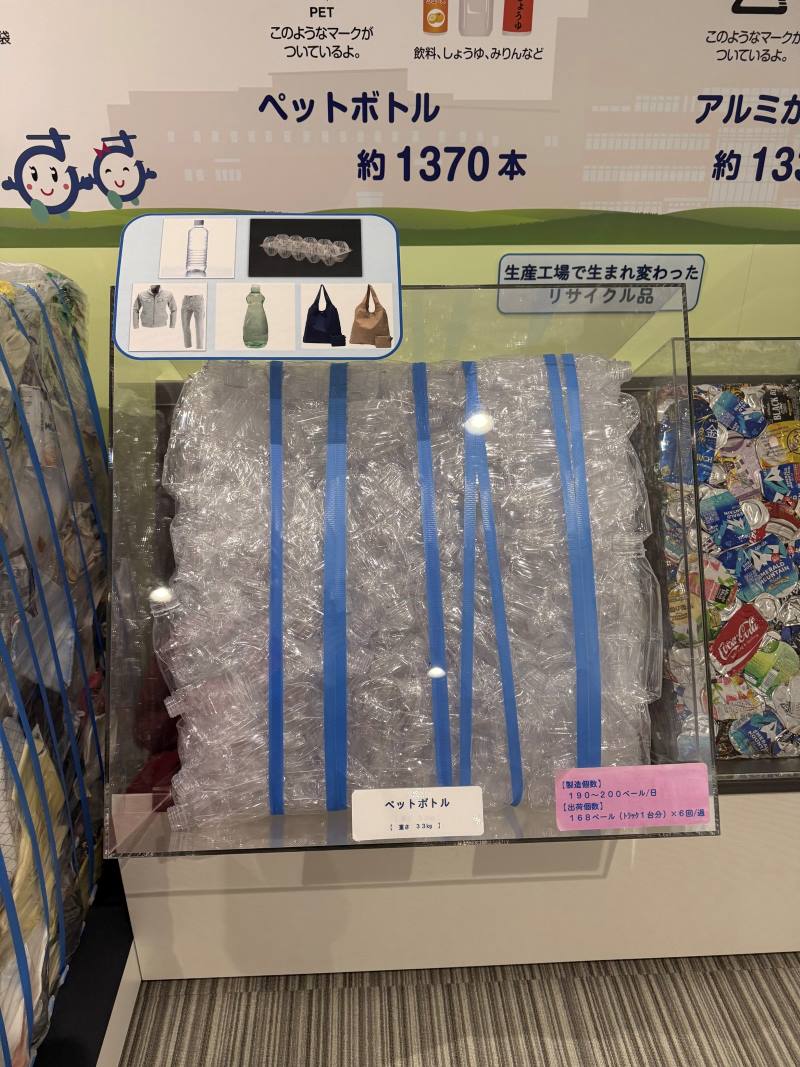
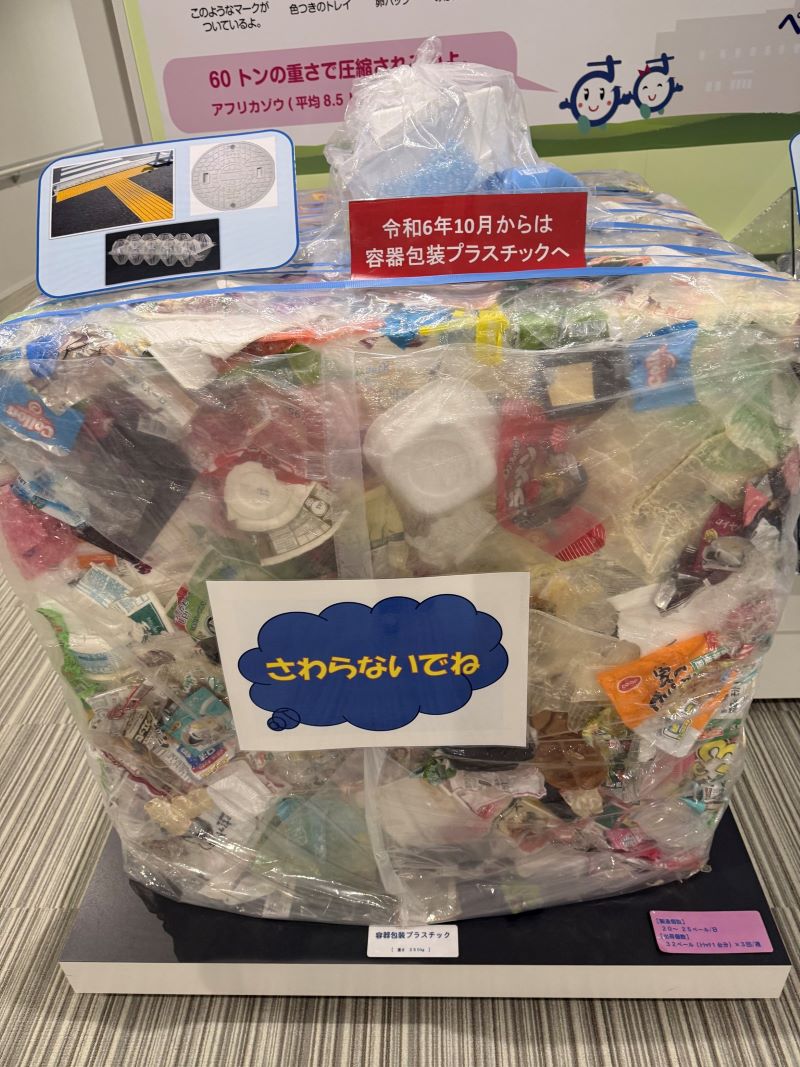
A key partner in this initiative was the Sakura Environmental Center, which is recognised for its advanced waste management systems and strong public education programmes. The centre serves as an example of how sustainable urban infrastructure can be combined with community engagement to promote environmental responsibility.
Through initiatives like EDU4PlastiCircular, schools, institutions, and communities around the world are encouraged to better understand plastic pollution and take practical steps towards reducing it.
The message behind this collaboration is clear: environmental responsibility cannot be achieved in isolation or within a single generation. It requires continuous learning, shared responsibility, and cooperation across borders and age groups.