The challenge of plastic pollution is often discussed in the context of industry, policy, and large-scale environmental systems. However, real change also happens in smaller, less expected spaces—through everyday choices, creative initiatives, and community-driven actions.
One such example comes from the tango community in Slovenia.
Inspired by the EDU4PlastiCircular (EDU4Plastic) project, new ideas about sustainability are finding their way into the world of tango—specifically into tango fashion and events. This shows how knowledge and awareness developed through European projects can extend far beyond their original context.
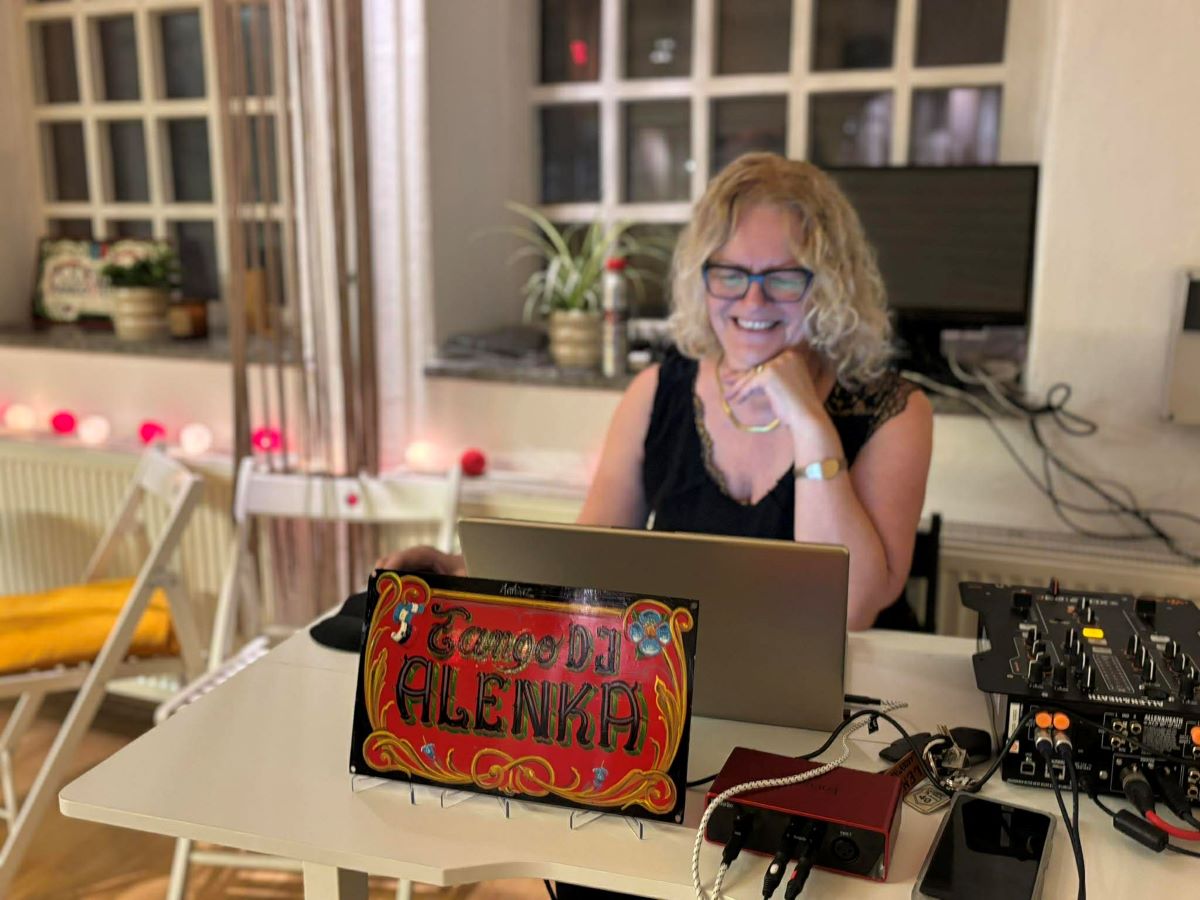
A key figure in this initiative is Alenka Dermol, a tango DJ and a member of the DERMOL team, one of the partners in the EDU4PlastiCircular project. Through her involvement in both fields, she brings together environmental awareness and cultural practice in a unique way.
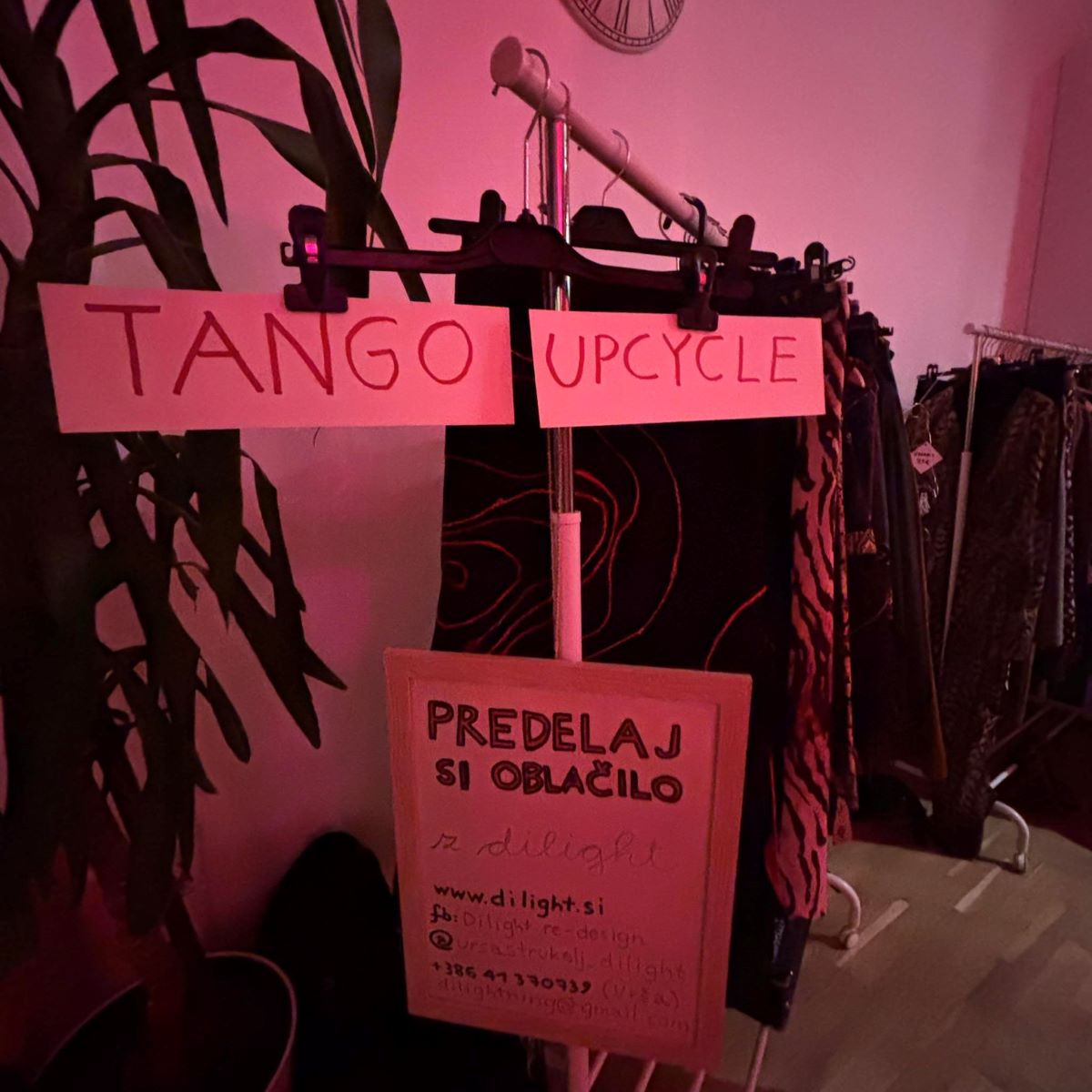
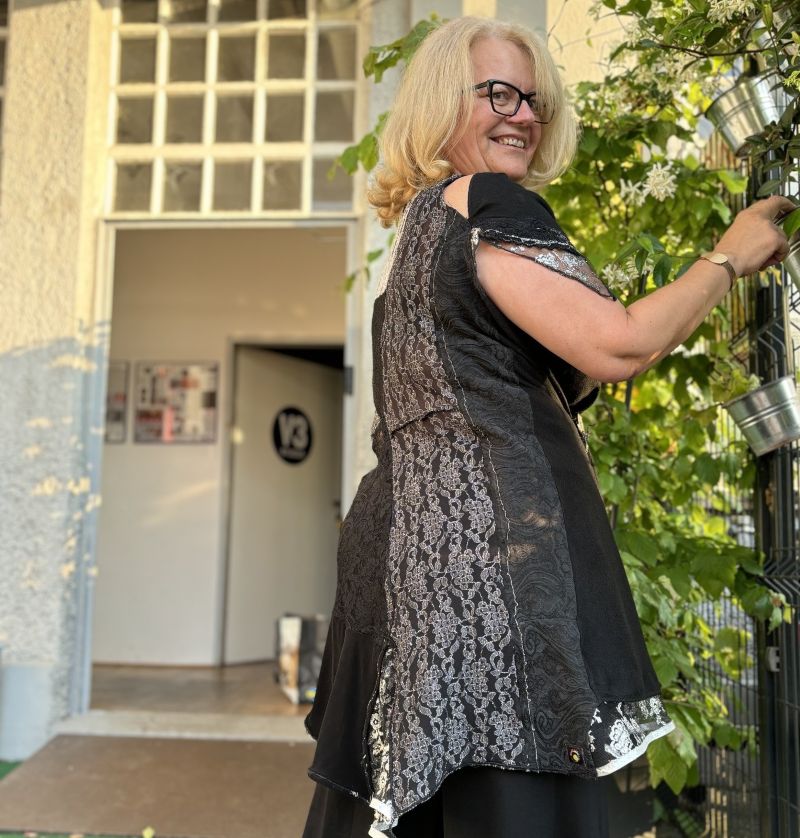
Her work explores the idea of “upcycling” in tango clothing—encouraging dancers to rethink how garments are produced, reused, and valued. Instead of relying solely on new, synthetic materials, the focus shifts towards extending the life of existing clothing and making more sustainable choices.
This initiative is developed in collaboration with her friend, the artist Urša Štrukelj, who is responsible for the creative redesign of the clothes. Together, they combine artistic expression with sustainability, giving new life to existing garments and promoting a more conscious approach to fashion.
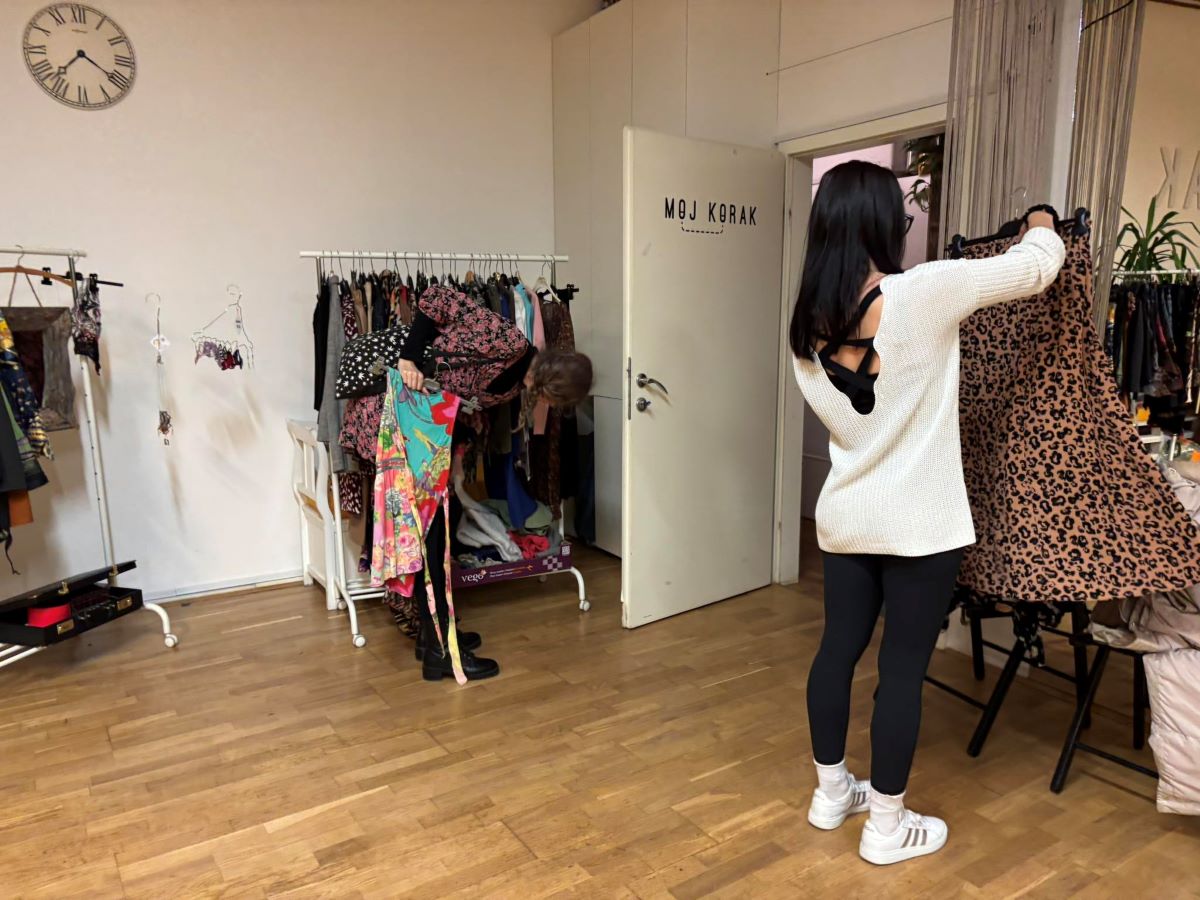
This approach was recently highlighted through the initiative “Tango UpCycle” at La Milonguita in Ljubljana, where sustainability was introduced directly into the tango event experience. While small in scale, such actions contribute to a broader cultural shift—raising awareness and encouraging more responsible consumption patterns within the community.
The connection between microplastics and clothing is significant. Many modern textiles, especially those used in dancewear, contain synthetic fibres that release microplastics during use and washing. By promoting reuse and more conscious material choices, even niche communities like tango can help reduce environmental impact.
The EDU4PlastiCircular project demonstrates that education is not limited to classrooms. Its influence can reach into creative industries, local communities, and cultural practices—sparking ideas and inspiring change in unexpected ways.
This example from Slovenia shows that sustainability is not only about large-scale solutions. It is also about individual actions, shared values, and the willingness to rethink habits—even on the dance floor.
Because every small step counts.