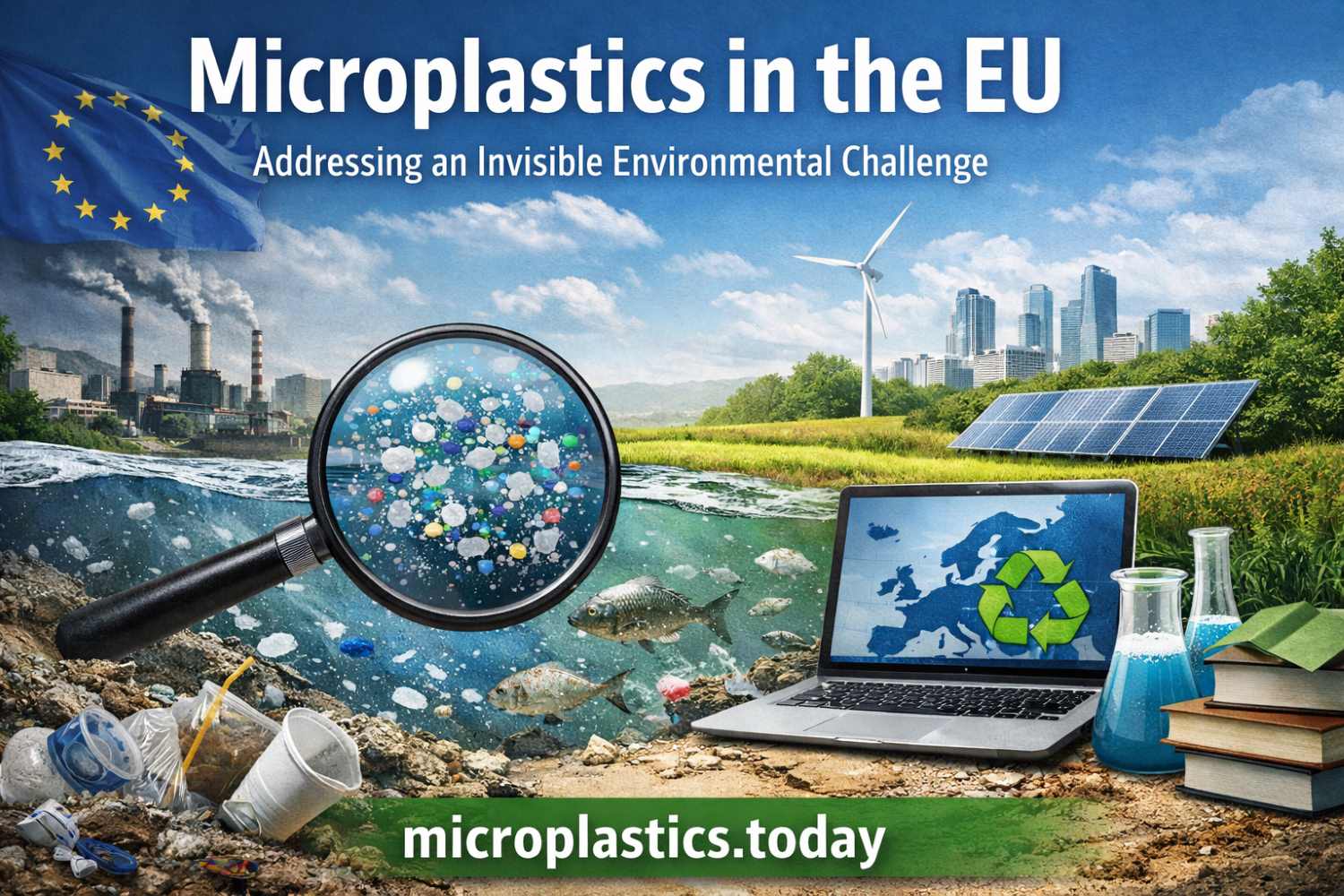
Microplastics—plastic particles smaller than 5 millimetres—have become a widespread and persistent form of pollution across Europe. They are found in rivers, oceans, soil, air, and increasingly within the food chain. Their small size makes them difficult to detect and even harder to remove, raising growing concerns among scientists, policymakers, and the public.
Within the European Union, tackling microplastic pollution has become a key priority under broader environmental and circular economy policies. Initiatives such as the European Green Deal and the Circular Economy Action Plan emphasise the need to reduce plastic waste, improve recycling systems, and prevent pollution at its source. Microplastics are now recognised not only as an environmental issue, but also as a challenge for public health, biodiversity, and sustainable development.
A significant proportion of microplastics originates from the breakdown of larger plastic items, but they are also intentionally added to products such as cosmetics, textiles, and industrial materials. Addressing this issue therefore requires a combination of regulatory measures, technological innovation, and behavioural change.
The Microplastics.today platform, developed within the EDU4PlastiCircular project, contributes to this effort by strengthening knowledge and skills related to plastic pollution and circular practices. The platform provides educational resources, digital tools, and learning opportunities for higher education institutions, professionals, and learners who aim to better understand and address microplastics in their fields.
By supporting the development of green skills and promoting awareness, initiatives like Microplastics.today help bridge the gap between policy and practice. They empower individuals and organisations to take informed action, contributing to the EU’s transition towards a more sustainable and climate-neutral economy.
Understanding microplastics is a crucial step towards reducing their impact. Continued collaboration between education, research, industry, and policy will be essential in ensuring effective and lasting solutions.